How Airports Can Enhance Security without Operational Delays
Strong security and smooth operations can coexist when airports invest in thoughtful systems. The result is a safer, calmer, and more efficient environment for passengers and airport employees;

News on the Net Chondamma Uthappa, Bio and Archives--September 9, 2026
Travel | Comments | Reader Friendly | Subscribe | Email Us
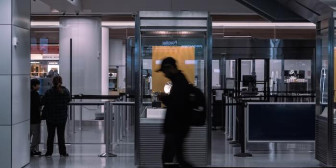
Airports have a difficult balancing act between keeping travelers safe and keeping passengers moving. Security remains essential, but delays can quickly create frustration throughout terminals. As passenger numbers increase across the US and Canada, airports must take measures to enhance security while minimizing operational delays.
US airlines carried 84.7 million systemwide passengers in May 2026, according to the Bureau of Transportation Statistics. This unadjusted total included 73.8 million domestic and 10.9 million international passengers.
The Canadian Air Transport Security Authority (CATSA) expected to screen 74.4 million passengers in 2025/26, reflecting an approximate 8.0% increase from the 68.9 million passengers screened in 2024/25.
Such high passenger traffic can easily create bottlenecks at main security checkpoints without proactive planning. Keeping travelers moving efficiently remains essential for maintaining overall terminal flow. The key is to place security measures where they matter most.
The following strategies can help airports protect travelers while maintaining efficient daily operations.
Install Efficient Metal Detectors at Key Points
One practical way to strengthen airport security involves installing efficient metal detectors at carefully selected locations. A reliable walk-through metal detector can screen passengers quickly without requiring lengthy individual checks. Modern systems can detect metallic objects while allowing travelers to keep moving through designated areas. That makes security screening more efficient during busy travel periods.
Airports can also place each metal detector where passenger traffic naturally moves through controlled entry points. GXC Inc. notes that these detectors, being portable, can be placed and moved to wherever necessary. Strategic placement reduces unnecessary walking while helping security teams monitor movement more effectively.
The right equipment can therefore strengthen security without turning every checkpoint into another source of congestion. A portable option gives airport security teams additional flexibility without requiring permanent construction work. Staff can deploy a scanner quickly when circumstances demand additional screening capacity.
However, technology alone cannot solve every security challenge inside a busy airport. Personnel must understand how each metal detector works and when additional screening becomes necessary. Proper training helps teams maintain consistent security while preventing avoidable interruptions for passengers.
Use Technology to Manage Passenger Movement
Technology can help airports understand passenger movement before congestion becomes a serious operational problem. Digital monitoring systems can identify growing queues and highlight checkpoints experiencing unusual demand.
Airport managers can then redirect staff or open additional screening lanes when necessary. This approach prevents passengers from becoming trapped in increasingly long security lines. It also allows airport teams to respond according to actual conditions instead of fixed assumptions.
Better information can make security operations more flexible throughout changing passenger volumes. During peak travel periods, that flexibility can make a noticeable difference for everyone involved.
Airports can also use automated systems to improve communication between security teams and other departments. Real-time information helps managers coordinate screening staff, airline personnel, and terminal operations. Better coordination prevents small delays from spreading into larger operational problems.
For example, staffing changes can happen before queues reach uncomfortable levels. Technology can also provide travelers with clearer information about expected waiting times. When passengers understand what awaits them, they can plan their movement through terminals more confidently. A more predictable experience often feels faster, even when screening requirements remain unchanged.
Train Security Personnel for Faster Decisions
Security personnel play an important role in preventing delays while maintaining strong protection throughout airport facilities. Even advanced screening technology depends heavily on people who understand how to operate it correctly.
In a 2024 press release, the Transportation Security Administration (TSA) noted that travelers bringing prohibited items face up to $14,950 in civil penalties. Discovered prohibited items force officers to perform time-consuming secondary bag searches.
Targeted officer training helps personnel complete mandatory bag checks faster to minimize backlog. Well-trained employees can identify potential concerns without unnecessarily stopping every passenger for extended periods. Training should therefore focus on accuracy, communication, observation, and efficient decision-making.
Employees who understand procedures clearly are less likely to create inconsistent screening experiences. Consistency helps passengers move through checkpoints while maintaining the security standards airports require.
Training should also prepare personnel for unusual situations that may disrupt normal airport operations. Staff members need clear procedures for handling suspicious objects, crowded checkpoints, technical problems, and passenger concerns. Practicing these situations can help employees respond confidently when real problems occur.
Good communication also matters because unclear instructions can create confusion and unnecessary queues. Friendly but direct guidance can help travelers understand what they need to do immediately. This approach makes security feel organized rather than stressful or unpredictable. Ultimately, capable personnel help airports achieve stronger protection without sacrificing the passenger experience.
Design Checkpoints Around Passenger Flow
Airport security checkpoints should be designed around how passengers actually move through terminals each day. Poor layouts can create unnecessary crossings, bottlenecks, and confusion before passengers even reach screening equipment. A thoughtful design can separate incoming passengers from completed screening areas more effectively.
Clear signage can also help travelers prepare documents, remove necessary items, and follow instructions beforehand. Small improvements can reduce the time each person spends at individual screening stations. When multiplied across thousands of passengers, those seconds can create significant operational savings.
Airport planners should regularly study checkpoint performance and identify where delays repeatedly occur. Passenger volumes can change throughout the day, meaning one static setup may not always remain effective. Flexible lanes can help airports respond when morning departures create different pressures than evening arrivals.
Additional screening areas can also remain available for periods when passenger numbers suddenly increase. Designing for flexibility allows airports to maintain security standards without permanently overbuilding every checkpoint. Regular reviews can reveal practical improvements that require relatively little disruption to existing operations.
FAQs
How do digital identity credentials and mobile passports streamline airport security processing?
Digital identity credentials allow passengers to verify identity electronically without repeatedly presenting physical documents. Mobile passports can connect traveler information with automated checkpoints, reducing manual document checks and processing times. When securely implemented, these systems can improve throughput while maintaining identity verification, privacy protections, and required security procedures.
What technologies enable seamless perimeters and non-intrusive airport security surveillance?
Airports can combine intelligent video analytics, perimeter sensors, access-control systems, radar, and automated alarms to monitor restricted areas continuously. Biometric technologies can strengthen identity verification at controlled entry points without requiring repeated manual checks. Integrating these systems through centralized security platforms helps personnel detect potential threats while minimizing unnecessary disruptions.
How can airports balance strict TSA compliance with a smooth passenger experience?
Airports can maintain TSA compliance by using standardized screening procedures while investing in efficient equipment, clear signage, and well-trained security personnel. Risk-based screening technologies can help focus attention where additional inspection is necessary without unnecessarily delaying other travelers. Regular process reviews can identify bottlenecks and improve passenger flow without weakening security measures.
Airport Security and Passenger Flow: In Numbers
US airline passengers carried systemwide in May 2026 | 84.7 million |
US domestic airline passengers in May 2026 | 73.8 million |
US international airline passengers in May 2026 | 10.9 million |
Canadian passengers expected to be screened in 2025/26 | 74.4 million |
Canadian passengers screened in 2024/25 | 68.9 million |
Approximate increase in Canadian passengers screened | 8.0% |
Airport security does not have to mean endless queues, confused travelers, or unnecessary operational delays. Airports can improve protection by combining effective technology with smarter operational planning.
The most effective approach treats security as part of the complete airport experience rather than a separate process. Every security decision should consider protection, passenger movement, employee workload, and operational efficiency together. Airports that follow this principle can create safer terminals without making travelers sacrifice valuable time.
Strong security and smooth operations can coexist when airports invest in thoughtful systems. The result is a safer, calmer, and more efficient environment for passengers and airport employees.
Chondamma Uthappa writes about new technology, travel, and crypto currency.
View Comments
News from around the world