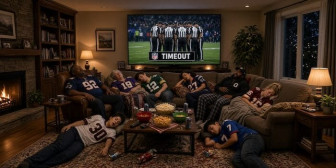
The average NFL game this season has lasted roughly 3 hours and 11 minutes, about seven minutes longer than in recent years. That may not sound significant, but across an entire Sunday slate it adds up.
By comparison, Major League Baseball, once criticized for a glacial pace, has transformed itself via the pitch clock. Games now average about 2 hours and 45 minutes. The NFL, meanwhile, seems to be drifting in the opposite direction.
Part of the increase is understandable as teams are more competitive than ever. Through the early part of the season, one-score games, overtime contests and last-minute comebacks have occurred at historic rates. Close games naturally lead to more timeouts, more clock stoppages and more strategic maneuvering.
Nobody is complaining when extra minutes are filled with drama and the NFL loves it as it add more commercials to the broadcast.
The issue is what occupies the rest of the time.
This season has seen a surge in penalties, averaging roughly 15 per game, a pace that would rank among the highest in league history. Every flag means a conference among officials, an announcement to the crowd, television analysis and another interruption to the flow of the game and more commercials.
Fans tune in to watch Patrick Mahomes throw touchdown passes and Micah Parsons chase quarterbacks, not to spend three minutes debating whether an offensive tackle got an early jump.
That backdrop makes the NFL’s consideration of expanded replay transparency particularly interesting.
According to reports, NFL officials are discussing allowing fans to hear conversations between replay officials in New York and on field referees during reviews. The move would follow the lead of many college conferences including the Big Ten, ACC, and Big 12, which already provide varying degrees of access to replay discussions.