Preserving Sacred Stories Through Thoughtful Bible-Based Film Collections
When approached with care and intention, these films become more than retellings. They become tools for connection, reflection, and faith renewal that endure across generations

News on the Net Anil Baswal, Bio and Archives--February 11, 2026
Lifestyles | Comments | Reader Friendly | Subscribe | Email Us
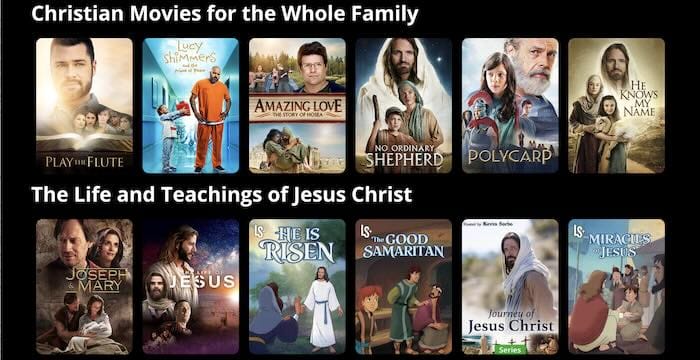
Stories from the Bible have been shared for thousands of years through spoken word, written text, art, and music. In more recent history, film has become another powerful way to pass these stories from one generation to the next. This is where bible collection movies hold special importance. They bring together faith, storytelling, and visual expression to help audiences engage with biblical narratives in a meaningful and accessible way.
These films are not meant to replace scripture. Instead, they offer a complementary experience that helps viewers visualize events, understand historical context, and reflect on timeless messages. When approached thoughtfully, bible-based movies can deepen understanding and spark renewed interest in sacred texts.
Why Visual Storytelling Matters for Biblical Narratives
The Bible contains complex stories filled with symbolism, emotion, and historical detail. While reading scripture remains central to faith practice, not everyone connects with text in the same way. Visual storytelling offers an additional entry point.
Film brings places, characters, and moments to life. Seeing ancient settings, cultural customs, and human expressions can make stories feel more tangible. For many viewers, this visual context helps clarify relationships and sequences that may feel abstract on the page.
Bible collection movies allow audiences to experience familiar stories in a new format, often prompting deeper reflection rather than passive viewing.
What Defines Bible Collection Movies
Bible collection movies typically include films that draw directly from biblical events, figures, or teachings. These collections often cover a wide range of narratives, from well-known stories to lesser-explored moments.
What unites these films is their intention to remain rooted in scripture while using cinematic tools to convey meaning. Dialogue, imagery, and pacing are used to highlight moral lessons and spiritual themes rather than spectacle alone.
Bible-based movies focus on faith journeys, obedience, struggle, and redemption. Characters are portrayed as human and imperfect, which helps viewers relate to their experiences.
The Importance of Accuracy and Respect
One of the most important aspects of bible collection movies is their approach to accuracy and respect. Because these stories hold deep spiritual significance, careful attention is needed when translating them to screen.
Faithful storytelling helps preserve the integrity of the message. While creative interpretation is sometimes necessary, the heart of the story must remain intact. When done well, films encourage viewers to return to scripture with fresh eyes.
Respectful portrayal also builds trust with audiences who value the sacred nature of biblical narratives.
Uses of Bible Collection Movies
Supporting Faith Education
Bible collection movies are often used as educational tools in faith-based settings. Visual storytelling can help learners understand timelines, geography, and relationships between characters.
For children and visual learners, films can make lessons more engaging. For adults, they can provide historical context that enriches study and discussion.
These movies often serve as starting points rather than conclusions, encouraging viewers to explore scripture more deeply.
Encouraging Reflection and Conversation
Watching bible-based movies can lead to meaningful conversations. Viewers may reflect on how biblical themes apply to modern life or discuss the choices characters make.
Families, study groups, and communities often find that films create shared reference points. Discussing a scene or character can feel more approachable than starting with abstract ideas.
This shared reflection strengthens understanding and connection.
Preserving Cultural and Spiritual Heritage
Bible collection movies play a role in preserving religious heritage. By retelling ancient stories in modern formats, they help ensure that these narratives remain accessible to future generations.
In a rapidly changing media landscape, film helps bridge the gap between tradition and contemporary life.
Why These Films Continue to Be Relevant
The core themes found in bible-based movies are timeless. Faith, doubt, courage, forgiveness, and hope are experiences that remain relevant across cultures and eras.
Even viewers who are already familiar with biblical stories may find new insights through film. Seeing a familiar story unfold visually can highlight emotional nuances or moral tensions that were previously overlooked.
This continued relevance explains why bible collection movies remain meaningful in modern faith discussions.
Emotional Impact and Human Connection
One of the strengths of film is its ability to convey emotion. Facial expressions, music, and visual pacing help communicate feelings that words alone may not fully capture.
Bible-based movies often emphasize the emotional journeys of biblical figures. Viewers see moments of fear, trust, sacrifice, and joy, which makes the stories feel more human.
This emotional connection can deepen empathy and understanding, reminding viewers that biblical figures faced challenges similar to those experienced today.
The Role of Community Viewing
Watching bible collection movies in group settings enhances their impact. Shared viewing encourages discussion, interpretation, and collective reflection.
Community screenings, study groups, or family viewings turn films into experiences rather than isolated activities. These shared moments strengthen bonds and encourage mutual learning.
Group discussions also allow for multiple perspectives, enriching understanding of complex themes.
Balancing Entertainment and Reverence
While films must engage viewers to be effective, bible-based movies often prioritize reverence over spectacle. The goal is not entertainment alone, but thoughtful storytelling that honors the source material.
This balance helps maintain focus on spiritual meaning rather than distraction. When viewers feel that a film respects the story it tells, they are more likely to engage with it sincerely.
Long-Term Influence on Faith Understanding
For many people, bible collection movies leave lasting impressions. Scenes or lines may resurface during moments of reflection or challenge.
These films can influence how individuals visualize biblical events, shaping personal understanding and memory. When paired with scripture study, they can strengthen faith literacy and emotional connection.
Over time, these stories become part of a shared spiritual language.
Choosing Films With Intention
Not all bible-based movies approach storytelling in the same way. Viewers benefit from choosing films that prioritize clarity, respect, and thoughtful interpretation.
The most impactful films are those that encourage reflection rather than simply retelling events. They invite viewers to consider meaning, context, and personal application.
Final Thoughts
Bible collection movies serve as a meaningful bridge between ancient scripture and modern audiences. By combining faith and visual storytelling, they help preserve sacred narratives while making them accessible and engaging.
Through education, reflection, and shared experience, bible-based movies support deeper understanding of timeless stories. They remind viewers that the messages found in scripture continue to speak to the human experience today.
When approached with care and intention, these films become more than retellings. They become tools for connection, reflection, and faith renewal that endure across generations.
Anil writes on Health, Wellness and Lifestyle
View Comments
News from around the world