Timeless Tails: How to Keep Your Older Dog Vibrant and Strong
Little adjustments to your dog's diet, level of physical activity, living conditions, and overall care can have a major impact on their longevity and quality of life as they enter their senior years

Guest Column Sara Jihanzi, Bio and Archives--October 14, 2024
Animals and Pets | Comments | Reader Friendly | Subscribe | Email Us
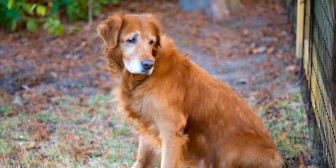
Every elderly dog seeks care for many different reasons, but one thing they all have in common is a desire to ensure their comfort and quality of life as they age. Whether we are dealing with long-term health difficulties, mobility problems, or the inevitable indications of ageing, one thing that many pet parents have in common is the desire to alleviate as much pain and anxiety as possible for their older pets.
Treating any illness or injury should be your first concern; in this regard, toiling with your vet is essential. Home care and environmental adaptability are also things I emphasise as a veterinarian. If you make a few simple adjustments, your dog will be more comfortable in his twilight years.
1. Make Frequent vet appointments
This is a must-do if you want your older dog to stay healthy. Your dog has a better chance of survival if you take him in for checkups and lab work regularly; this is because many health problems can be detected before they become clinically noticeable, making treatment easier and cheaper. Regular checkups and lab work, at least once every six months, are essential for the health of older dogs. Geriatric canines and dogs with pre-existing medical issues may require bloodwork and checkups more frequently. During checkups with the vet, you can also ask about any changes your pet may have, which could necessitate a different medicine.
2. Make sure you check on your elderly dog at home frequently
During your pet's checkups at the vet, keep a close eye out for any unusual changes on their body, like lumps or bumps, and have them examined promptly. Once a week, you should give your puppy a good once over. Even if testing confirms that a lump in your dog is harmless, it's important to oversee it. Take a snap to document its current state and keep an eye out for any changes in size, colour, or appearance. Spend more time with your fur bestie because the only view dogs care about is you and your presence.
3. Protect your older dog with pet insurance
Think about obtaining pet insurance if you haven't already. Having pet insurance gives you tremendous peace of mind that you can afford to take care of your senior dog, who is more prone to serious ailments and diseases than younger pets. Some insurance policies may not pay for your dog's treatment if it has a preexisting condition, so be sure to read the tiny print.
4. Give some thought to canine vitamins for older dogs
If you want your dog to maintain good health as they become older, consider giving them one of these supplements:
The joint cartilage in your dog can be protected and the pain associated with osteoarthritis can be managed with the help of glucosamine and chondroitin. Because of their increased susceptibility to joint problems, large dogs may get the most benefits. Dasuquin chews are what we suggest.
Due to its ability to improve cell membrane health, omega-3 fatty acids may aid dogs with cognitive difficulties, decrease joint inflammation, and decrease the need for additional pain drugs. Nordic Naturals or Vetiquinol are our recommendations. Other than that, you must add dog probiotics to your fur baby’s meal schedule to promote better gut and joint health.
Although there is currently little scientific proof, antioxidants may also aid in improving senior dogs' memory and cognition. If your dog is displaying signs of dementia, also known as Canine Cognitive Dysfunction, we suggest feeding them Denamarin Advanced or treats made of antioxidant-rich fruits and vegetables. Some fruits, like Granny Smith apples, are rich in antioxidants, and berries, such as blueberries, raspberries, and blackberries, are no exception.
Remember that not all dietary supplements work the same. It is highly advised that you stick with well-established brands that have their goods tested in clinical settings to ensure their efficacy and safety. Always check with your vet before beginning a new supplement program for your dog, and never give them human supplements—they could contain hazardous substances.
5. Try feeding your dog a senior formula
Some dog foods clearly state the recommended age range for consumption. Dogs of a certain age have unique dietary requirements, such as calorie intake, digestive aids, and specific nutrients to promote healthy ageing, all of which differ from those of younger dogs.
Around the age of 6, depending on your dog's size, it's recommended to transition to a senior dog food. Try to find a brand that has been certified by the AAFCO as providing adequate nourishment for older dogs.
Wrap-up!
Little adjustments to your dog's diet, level of physical activity, living conditions, and overall care can have a major impact on their longevity and quality of life as they enter their senior years. Make sure to take them in for checks at least twice a year, and consult your vet for more tips on keeping them healthy as they age.
Sara Jihanzi writes about Health and Wellness issues.
View Comments
Items of notes and interest from the web.