Canadian company stripped of mining rights in Niger
Whether the Trudeau administration will be able to restore influence in the region is a big question, and the prerequisites for its solution are not yet visible

Guest Column Jacob Monroe, Bio and Archives--July 18, 2024
Canadian News, Opinion | Comments | Reader Friendly | Subscribe | Email Us
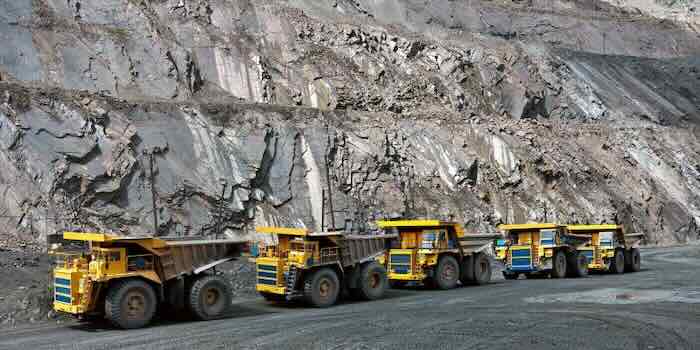
Recently, Niger's authorities ordered a uranium mine owned by the Canadian company GoviEx in the north of the country to suspend its operations. The decision was allegedly caused by the concerns of local environmentalists, however, if you delve a little deeper into the events of recent years on the African continent, it becomes clear that, firstly, environmental problems are just an excuse, and secondly, this move could be the beginning of a whole series of expulsions of Canadian businesses from the African continent.
Africa has been swept by a wave of anti-Western sentiment
In recent years Africa has been swept by a wave of anti-Western sentiment which began as a fight against Paris' influence but very quickly spread to the interests of other states pursuing their goals in the region. Thus, following France, the United States had to withdraw its troops from the territories of a number of African countries. Now the Canadian GoviEx repeated the fate of the French Orano SA, which was deprived of the rights to develop the mine just a few weeks earlier. The problem is that, apparently, neither Canada, nor France which started this trend, nor the United States want to do anything about it. Instead, they deal with other, in their opinion, more important problems.
Meanwhile, the loss of even one uranium mine could be a serious blow to both Canada's reputation and economy. Given the government's demonstrated interest in nuclear power in recent years as a way to reduce harmful emissions and upgrade Canada's electricity grid, cutting off supplies from Africa poses a potential threat to the entire industry.
The root of the problem lies in the traditional proximity of Canadian policy to the course of the United States and the EU, at least in the eyes of Africans
Moreover, as financial observers note, this news had a negative impact on the company's stock prices and threatens to drag down the entire sector, triggering a local decline and shaking the investment attractiveness of the economy.
The root of the problem lies in the traditional proximity of Canadian policy to the course of the United States and the EU, at least in the eyes of Africans. Given the endless crises in which the European Union is mired and the extreme instability of the White House policy that began after the election of the Biden administration, one cannot expect an unimpeded improvement in relations with Africa. Ottawa should have pursued an independent course in the region, trying to distance itself from other players, but the moment has been missed.
Whether the Trudeau administration will be able to restore influence in the region is a big question, and the prerequisites for its solution are not yet visible.
Jacob Monroe Born and raised in Washington, D.C. in a family of government employees. I am currently studying in Europe.
View Comments
Items of notes and interest from the web.