Occupational Therapy Strategies for Preventing Falls at Home in Vancouver, BC
Understanding Risk Factors for Falls in Older Adults

Guest Column Anil Baswal, Bio and Archives--February 18, 2025
Health and Medicine | Comments | Reader Friendly | Subscribe | Email Us
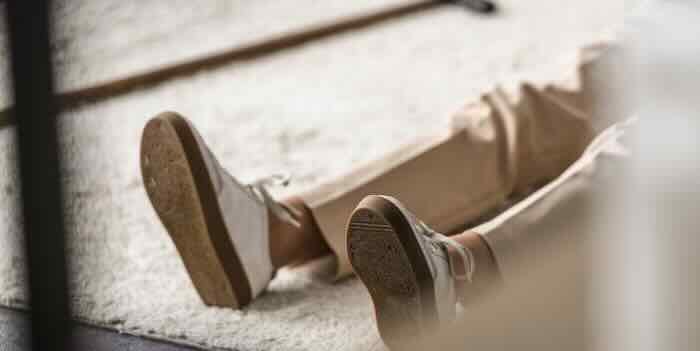
Common Causes of Falls Among Seniors
Falls in older adults can result from a combination of intrinsic (personal) and extrinsic (environmental) factors. The most common causes include:
- Loss of balance and coordination: As people age, their ability to maintain stability diminishes.
- Reduced muscle strength: Weakness in the legs, hips, and core muscles increases the risk of falling.
- Impaired vision: Poor eyesight makes it difficult to detect hazards such as uneven surfaces, rugs, or steps.
- Chronic conditions: Conditions like arthritis, diabetes, and Parkinson’s disease can impact mobility and balance.
- Fear of falling: Previous falls or anxiety about falling can lead to reduced mobility, increasing the likelihood of future falls.
Age-Related Changes Affecting Balance and Mobility
As individuals age, several physical and cognitive changes affect their ability to move safely:
- Decreased muscle mass: Sarcopenia (age-related muscle loss) affects leg strength and posture control.
- Slower reflexes: Reaction times decrease, making it harder to regain balance during a misstep.
- Joint stiffness and reduced flexibility: Conditions like osteoarthritis contribute to a decreased range of motion.
- Changes in gait: Shuffling steps, reduced stride length, and slower walking speeds increase instability.
- Cognitive decline: Dementia and mild cognitive impairment can affect spatial awareness and judgment.
Environmental Hazards That Increase Fall Risks at Home
Many falls occur within the home due to common hazards, including:
- Cluttered walkways: Objects left on the floor can create tripping hazards.
- Poor lighting: Dim lighting in hallways, staircases, and bathrooms increases the risk of falls.
- Loose rugs and carpets: Slippery or unsecured floor coverings are a frequent cause of tripping.
- Slippery surfaces: Bathrooms and kitchens, where water may accumulate, are high-risk areas.
- Lack of grab bars: The absence of handrails in key areas like bathrooms and staircases reduces stability support.
The Impact of Medications on Balance and Coordination
Certain medications contribute to dizziness, drowsiness, and loss of coordination, increasing fall risks. Seniors in Vancouver should consult their healthcare providers to review their prescriptions.
- Sedatives and sleeping aids (e.g., benzodiazepines) can cause drowsiness and confusion.
- Blood pressure medications may lead to sudden drops in blood pressure (orthostatic hypotension), causing dizziness.
- Pain medications (e.g., opioids) may impair cognitive function and reaction times.
- Diuretics can lead to dehydration and weakness, increasing fall risks.
How Occupational Therapists in Vancouver Help Prevent Falls
Vancouver occupational therapists provide personalized fall prevention strategies based on a senior’s home environment and mobility challenges. Their interventions include:
- Home safety assessments: Identifying hazards and recommending modifications like grab bars, stair railings, and slip-resistant flooring.
- Mobility training: Recommending assistive devices such as canes or walkers and teaching proper usage.
- Balance and strength exercises: Encouraging participation in community-based fall prevention programs such as those offered by Vancouver Coastal Health.
- Vision and cognitive assessments: Ensuring seniors have updated eyeglasses and addressing cognitive impairments that impact navigation and safety.
Practical Tips for Fall Prevention at Home
Seniors and caregivers can take proactive steps to reduce fall risks:
- Improve home lighting: Install motion-sensor night lights in hallways and bathrooms.
- Use non-slip mats: Place non-slip mats in high-risk areas like the bathroom and kitchen.
- Declutter floors: Keep walkways clear of cables, shoes, and small furniture.
- Wear proper footwear: Choose supportive, non-slip shoes instead of slippers or socks on smooth surfaces.
- Stay active: Engage in gentle exercises like tai chi, which has been shown to improve balance in seniors.
Occupational Therapy Strategies for Fall Prevention
How Occupational Therapists Assess Fall Risks
Occupational therapists use a comprehensive approach to evaluate an individual's risk of falling. This process involves:
- Medical and mobility history review: OTs assess past falls, chronic conditions (e.g., arthritis, Parkinson’s disease), and medications that may cause dizziness or balance issues.
- Functional mobility assessment: Observing how a person walks, stands up from a chair, or navigates different surfaces to identify balance or coordination challenges.
- Strength and endurance testing: Evaluating lower-body strength, grip strength, and overall endurance to determine fall risk.
- Home environment analysis: Identifying hazards such as loose rugs, poor lighting, or a lack of grab bars that could contribute to falls.
- Cognitive and sensory assessments: Testing vision, spatial awareness, and memory to ensure seniors can navigate their environment safely.
By conducting these assessments, OTs gain a full picture of an individual’s fall risks and create a personalized plan to address them.
Individualized Treatment Plans for Improving Safety at Home
Once an assessment is complete, occupational therapists design tailored intervention plans based on the senior’s specific needs. These plans often include:
- Balance and strength exercises: OTs recommend exercises like standing leg lifts, sit-to-stand drills, and gentle yoga to improve stability. They may also refer clients to community programs such as those offered by Vancouver Coastal Health’s Fall Prevention Program.
- Assistive device training: Seniors who require mobility aids, such as walkers or canes, receive training on proper use to ensure stability and prevent accidents.
- Education on safe movement strategies: OTs teach techniques like turning slowly to prevent dizziness, proper foot placement on stairs, and using supportive furniture for added balance.
- Energy conservation techniques: For individuals with fatigue-related conditions, OTs provide strategies to reduce strain, such as sitting while dressing or using reacher tools to avoid bending over.
- Vision and sensory adjustments: Recommendations include updating eyeglasses, ensuring proper lighting, and using contrasting colours to highlight steps or uneven flooring.
Importance of a Home Safety Assessment and Recommendations
A home safety assessment is a critical component of fall prevention. Occupational therapists conduct these evaluations to identify potential hazards and suggest modifications to create a safer living space. Key recommendations may include:
- Installing grab bars: Essential in high-risk areas like the bathroom and near staircases.
- Improving lighting: Adding brighter bulbs, motion-sensor lights, and nightlights to reduce the risk of tripping in dimly lit areas.
- Securing rugs and flooring: Removing loose rugs or using non-slip backing to prevent slipping.
- Rearranging furniture: Ensuring clear pathways to reduce the chances of bumping into objects.
- Adding handrails: Installing sturdy railings on both sides of staircases to provide extra support.
- Reducing clutter: Encouraging a tidy living space by keeping floors clear of unnecessary items.
In Vancouver, seniors may also qualify for home modification funding through programs like the BC Rebate for Accessible Home Adaptations (BC RAHA), which helps cover the cost of safety upgrades.
Balance Training and Mobility Enhancement
Occupational Therapy Exercises to Improve Balance and Coordination
OTs design customized exercise programs to enhance stability and prevent falls. Some effective balance exercises include:
- Single-leg stands: Standing on one leg for a few seconds while holding onto a stable surface, gradually increasing the duration to improve balance.
- Tandem walking: Walking heel-to-toe in a straight line to enhance coordination and strengthen stabilizing muscles.
- Weight shifts: Shifting weight from side to side while standing helps improve balance control.
- Tai Chi movements: Slow, controlled movements improve flexibility, strength, and balance. Tai Chi classes are available in many Vancouver community centres.
- Stepping exercises: Practicing stepping forward, backward, and sideways helps seniors adapt to real-life walking scenarios.
These exercises are often performed under the supervision of an OT or within fall prevention programs such as those offered by Vancouver Coastal Health and BC Seniors’ Fall Prevention Programs.
Strengthening Exercises to Reduce Fall Risks
Muscle weakness, particularly in the lower body, is a major risk factor for falls. OTs recommend simple but effective strength-building exercises, including:
- Sit-to-stand drills: Practicing getting up from a seated position without using hands to strengthen leg muscles.
- Calf raises: Standing on tiptoes and lowering back down improves ankle stability.
- Wall push-ups: Strengthens upper body muscles for better support and balance.
- Mini squats: Strengthens the quadriceps and improves lower-body endurance.
- Leg lifts: Raising one leg at a time while seated or standing strengthens hip and thigh muscles.
Strength training is often combined with balance exercises to maximize fall prevention benefits. Seniors in Vancouver may also benefit from group exercise programs at community centres, which are led by trained professionals.
Assistive Devices Recommended by OTs
When necessary, OTs recommend assistive devices to enhance safety and mobility. Common aids include:
- Canes: Provide additional support and balance while walking. Proper height and grip adjustments are essential.
- Walkers: Useful for individuals with significant mobility limitations, providing stability and reducing fall risks.
- Grab bars: Installed in bathrooms, staircases, and hallways to provide extra support when standing or transitioning between positions.
- Non-slip mats and rugs: Reduce slipping hazards, especially in high-risk areas like the kitchen and bathroom.
- Adaptive footwear: Supportive shoes with non-slip soles improve grip and reduce the risk of falling on smooth surfaces.
Home Modifications to Reduce Fall Risks
Removing Trip Hazards and Improving Home Layout
A clutter-free and well-organized home reduces the chances of tripping or losing balance. OTs conduct home safety assessments to identify and address potential hazards, such as:
- Eliminating loose rugs and carpets: Securing rugs with non-slip backing or removing them entirely helps prevent slips.
- Decluttering walkways: Ensuring that hallways and commonly used areas are free of unnecessary furniture, cords, and other obstacles.
- Rearranging furniture: Positioning chairs, tables, and other furniture to create clear and direct paths for movement.
- Securing electrical cords: Tucking away wires from lamps, televisions, and appliances to prevent tripping.
Occupational therapists may also suggest adjusting home layout to better accommodate mobility aids, such as walkers and wheelchairs.
Installing Proper Lighting in Key Areas
Poor lighting is a major contributor to falls, especially in staircases, hallways, and bathrooms. OTs recommend:
- Motion-sensor nightlights: Automatically illuminating hallways and bathrooms at night to guide movement.
- Brighter LED bulbs: Using higher-wattage, energy-efficient LED lights to improve visibility.
- Under-cabinet and stair lighting: Installing additional lighting in high-risk areas such as stairs, kitchens, and bathrooms.
- Smart lighting systems: Voice-activated or app-controlled lighting can help seniors turn lights on and off without needing to move around in the dark.
Proper lighting significantly reduces the risk of missteps, particularly for individuals with vision impairments.
Non-Slip Flooring and Bathroom Safety Modifications
The bathroom is one of the most hazardous areas in the home due to its slippery surfaces. OTs often recommend:
- Non-slip bath mats: Placing textured mats inside and outside the shower or bathtub.
- Grab bars and handrails: Installing sturdy grab bars near toilets, showers, and bathtubs to provide extra support.
- Walk-in showers or tubs: Replacing high-step bathtubs with accessible walk-in options.
- Raised toilet seats: Adding a raised toilet seat with grab handles to make standing and sitting easier.
- Anti-slip flooring: Using non-slip vinyl or rubber flooring instead of polished tile to reduce the likelihood of slipping.
Funding for bathroom safety modifications may be available through the BC Rebate for Accessible Home Adaptations (BC RAHA) program, helping seniors afford necessary upgrades.
Smart Home Technology for Fall Prevention
Advancements in smart home technology provide additional fall prevention measures. Recommended devices include:
- Fall detection systems: Wearable devices like the Philips Lifeline Medical Alert System can detect falls and notify emergency contacts.
- Voice-activated assistants: Devices such as Amazon Alexa or Google Nest Hub enable seniors to control lights, call for help, or adjust the thermostat without getting up.
- Video doorbells and security systems: Allowing seniors to see and speak with visitors without needing to rush to the door.
- Automated medication reminders: Smart pill dispensers alert users to take their medications on time, reducing dizziness caused by missed or incorrect dosages.
How to Access Occupational Therapy Services in Vancouver, BC
Occupational therapy (OT) plays a critical role in fall prevention, helping seniors maintain independence and safety at home. In Vancouver, BC, there are various ways to access occupational therapy services, whether through government-funded programs, private clinics, or community organizations.
Local Resources for Occupational Therapy in Vancouver
Seniors and caregivers looking for occupational therapy services can explore the following resources:
- Vancouver Coastal Health (VCH) – Home and Community Care
- Provides in-home occupational therapy assessments for seniors at risk of falls.
- Offers fall prevention programs through community health centres.
- Website: www.vch.ca
- BC Seniors’ Fall Prevention Program
- Offers education, workshops, and therapy services to help prevent falls among older adults.
- Works with healthcare professionals, including OTs, to provide personalized fall prevention strategies.
- GF Strong Rehabilitation Centre
- Specializes in rehabilitation for individuals recovering from injuries or mobility issues that increase fall risks.
- Provides outpatient occupational therapy services.
- Community Centres and Non-Profit Organizations
- Local seniors’ centres and organizations like Silver Harbour Seniors’ Activity Centre or Jewish Seniors Alliance often provide fall prevention workshops and referrals to OTs.
- UBC Occupational Therapy & Rehabilitation Science Program
- Offers student-led clinics where individuals may receive OT services at a lower cost.
How to Book a Fall Prevention Assessment
Seniors and caregivers can schedule a fall prevention assessment with an occupational therapist through several pathways:
- Through a doctor’s referral: Family physicians can refer patients to Vancouver Coastal Health for an OT assessment.
- Directly through Vancouver Coastal Health: Contacting the local health authority allows individuals to access publicly funded OT services.
- Via private clinics: Many independent occupational therapy clinics offer direct booking without a referral. A list of private OTs can be found through the College of Occupational Therapists of British Columbia (COTBC) website.
- Community organizations: Some senior-focused organizations provide free or low-cost fall risk assessments.
- Extended health benefits: If an individual has private health insurance, they may be able to book an assessment through their provider.
Government-Funded and Private OT Services Available
Seniors in Vancouver have access to both public and private occupational therapy services, depending on their needs and financial situation.
- Government-Funded Services (Free or Low-Cost):
- Vancouver Coastal Health: Offers in-home OT assessments for eligible seniors.
- BC Medical Services Plan (MSP): Covers OT services in hospitals or rehabilitation centres but may not include private home assessments.
- BC Seniors’ Home Adaptation and Repair Program (SHARP): Provides financial assistance for home modifications based on OT recommendations.
- Private Occupational Therapy Services (Paid, May Be Covered by Insurance):
- Independent OT clinics: Offer customized home safety assessments and fall prevention plans.
- WorkSafe BC & ICBC Rehabilitation Programs: Cover OT services for individuals recovering from workplace or vehicle-related injuries.
Private health insurance: Many extended benefits plans cover OT services, especially for seniors with mobility challenges.
Anil writes on Health, Wellness and Lifestyle
View Comments
Items of notes and interest from the web.