When is Drone Technology Most Effective for Pest Control?
While drone technology offers numerous benefits for pest control in agriculture, the effectiveness of this approach can vary depending on the specific circumstances. Here are some scenarios where drone technology is particularly well-suited:
Early Detection and Monitoring
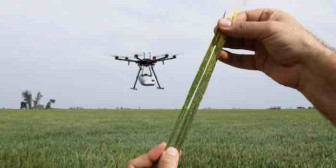
One of the most effective ways to use drone technology for pest control is for early detection and monitoring. By regularly scanning their fields with drones, farmers can quickly identify the presence of pests or the onset of disease. This early warning system allows them to take action before the problem escalates, saving time, money, and resources.
Targeting Specific Infestations
Drones can be especially effective when dealing with localized pest infestations. Their precision and maneuverability allow farmers to target specific areas of their fields, applying pesticides or biological control agents only where they are needed. This approach not only reduces the overall use of chemicals but also minimizes the impact on non-target areas.
Accessing Difficult Terrain
In many agricultural settings, certain areas of the field may be difficult to reach with traditional ground-based equipment. Drones, however, can easily navigate these challenging terrains, such as steep slopes, dense vegetation, or areas with limited access. This allows farmers to maintain a comprehensive view of their crops and respond to pest threats more effectively.
Monitoring Crop Health
In addition to pest control, drones can also be used to monitor the overall health and growth of crops. By capturing high-resolution aerial imagery, farmers can track the progress of their plants, identify any nutrient deficiencies or water stress, and make adjustments to their management practices accordingly.