Institute for Energy Research
 The Institute for Energy Research (IER) is a not-for-profit organization that conducts intensive research and analysis on the functions, operations, and government regulation of global energy markets. IER maintains that freely-functioning energy markets provide the most efficient and effective solutions to today’s global energy and environmental challenges and, as such, are critical to the well-being of individuals and society.
Most Recent Articles by Institute for Energy Research:

Expensive Wind Farm Calls It Quits
December 20, 2017
Cape Wind is dead, but several states are still planning to build offshore wind farms at considerable costs to the consumer. With offshore wind costs 2.5 times higher than onshore wind costs, the economics do not favor their development

rescinding of the Clean Power Plan is a positive step toward freeing energy producers to supply the indispensable value of electricity to American families and businesses in the most efficient manner possible

China takes a back seat to India in energy growth, the United States becomes a major oil and gas producer and exporter and renewable energy continues to make major in-roads into energy markets driven by government policies

Nature for Nature’s Sake
December 10, 2017
Alaska's ANWR region is an environmental holy grail

Closing the Wind PTC Loophole
December 3, 2017
Production Tax Credit

ANWR: What’s at Stake?
November 30, 2017
The people of Alaska are already behind the idea—and have been for a long while. It’s time for the rest of us to catch up

How the Market Process Regulates Methane Emissions
November 28, 2017
For those concerned about carbon emissions, the profit and loss system is producing something heavy-handed regulation cannot: a sizeable reduction in carbon emissions without straining economic growth
The U.S. success story is a model for the developing world. The mechanisms available to reduce pollutants allow for more generation of energy with less pollution
As COP 23 Convenes, Global Carbon Dioxide Emissions Continue to Rise
November 19, 2017
Reducing its carbon dioxide emissions
Why a Carbon Tax Is the Opposite of Tax Reform
November 14, 2017
Carbon tax would pose a significant drag on conventional GDP growth
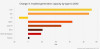
Southeast Asia’s Coal Demand Boom
November 8, 2017
Global coal demand has increased U.S. exports of coal
Initial Thoughts on the GOP Tax Bill
November 3, 2017
There are many controversial measures contained in the GOP bill. In order to minimize the hit to revenue, the desired rate reductions were matched by the elimination of many deductions and exemptions

U.S. to Become a Major LNG Exporter
November 1, 2017
The United States is poised to become one of the top 3 LNG exporters along with Australia and Qatar
Clean Power Plan Repeal: Myths vs. Reality
October 18, 2017
Contrary to the myths being floated by pundits and bloggers, there really was a war on coal, the fortunes of coal weren't just due to natural gas prices, and ending the CPP won't make a big difference to measured climate change.

China’s New Environmental Problem: Battery Disposal
October 14, 2017
China is now the largest market for electric vehicles and it is growing due to lucrative subsidies and a future quota system

What Do People Think About Climate Change?
October 13, 2017
There is little enthusiasm for taxing energy
Ensuring a Resilient Grid Requires Less Government, Not More
October 12, 2017
"Reliability and Resilience” in electricity generation
IER Response to EPA’s Clean Power Plan Repeal Proposal
October 11, 2017
"The Clean Power Plan was never about clean power"
Ensuring Resilient and Efficient Electricity Generation

New York’s Clean Energy Standard: Costly and Ineffective
October 4, 2017
New York's Clean Energy Standard to be "an exercise in symbolic environmentalism. It will provide almost no measurable benefits, while imposing huge costs, including disproportionate costs on lower-income residents"
No Need for a Carbon Tax in Any Tax Reform Plan
September 30, 2017
There's no need to "fix it" by adding in a giant new tax on energy and transportation, which is what a carbon tax means in practice
The Jones Act: Distorting American Energy Markets Since 1920
September 30, 2017
Defenders of outdated, protectionist legislation like the Jones Act often claim they put American jobs and the American people first, yet their policies do no such thing
Taxes on Capital Are Very Harmful
Wind Turbines Reduce the Productivity of Surrounding Vegetation
September 15, 2017
Wind power is not only bird-killing, noise-polluting, eyesore-causing, cost-prohibiting, vegetative-decreasing, but its intermittency leads to periods of overproduction or power shortages that require reliance on traditional technologies as backup
Amplifying Oren Cass’s Critique of a Carbon Tax, Part 2
September 15, 2017
Cass picks apart the various (and contradictory) arguments for a carbon tax so beautifully that this is one of the single best pieces in the genre
Trump Administration Working Hard to Undo Obama’s Onerous Regulations
September 12, 2017
The Trump administration has done a lot to undo onerous regulations imposed by the Obama administration, as the above list indicates, and it took the initial steps toward the reversal in record time
Scary Sea Level Rise? Check Your Science
September 9, 2017
Rather than attempt to shave fractions of an inch off of future sea level rise in the distant future, policymakers should keep fossil fuels affordable, plentiful, and reliable to deal with climate and weather events of all kinds
Amplifying Oren Cass’s Critique of a Carbon Tax, Part 1
September 7, 2017
Carbon tax proponents often make contradictory promises to different groups in order to garner support
A Look Inside the DOE Grid Study
September 6, 2017
Infrastructure resilience is the ability to reduce the magnitude and/or duration of disruptive events
The Wrong Way to Save Nuclear Power
August 31, 2017
Keeping the Lights on at America’s Nuclear Power Plants