Institute for Energy Research
 The Institute for Energy Research (IER) is a not-for-profit organization that conducts intensive research and analysis on the functions, operations, and government regulation of global energy markets. IER maintains that freely-functioning energy markets provide the most efficient and effective solutions to today’s global energy and environmental challenges and, as such, are critical to the well-being of individuals and society.
Most Recent Articles by Institute for Energy Research:

The Population Bomb That Was A Dud
July 24, 2018
Doomsday scenarios about population can make for a compelling narrative

Businesses Should Avoid Global Warming Politics
July 19, 2018
Kinder-Morgan, as other energy companies, should leave the sustainability and climate debates to scientists, public-policy wonks, and government bodies

IER looks forward to resolving the Treasury Department’s public obligations

China is expected to become the world's leading LNG importer over the next decade

Ocean City Wants Invisible Offshore Wind Turbines
July 15, 2018
Offshore Wind Power is Expensive

United States, which President Trump removed from the Paris Accord last year, had the largest carbon dioxide emissions decline in the world

Onerous regulation by the Nuclear Regulatory Commission has resulted in the premature retirement of existing nuclear units

The Biofuels Industry Retains Pull in Washington
June 30, 2018
The EPA can take the first step in that direction by forgoing this proposed increase to the biofuel mandates for 2019

The costs of the subsidies that the Chinese government provides to the renewable energy industry have been growing at an unsustainable rate.

The wind industry in Europe is burying millions of tons of toxic waste, as wind units near the end of their 20-year operating life.

Climate Alarm: Failed Prognostications
June 23, 2018
"Right thing" in terms of economic and environmental policy? That's a fallacy to explode on another day.

Ontario Premier-Elect Doug Ford Ditches Cap and Trade
June 21, 2018
Political "solutions" to climate change, even if desirable, are simply impractical. Voters don't like high energy prices, and climate policies are literally designed to make energy more expensive as a way to alter behavior

Countries with Carbon Taxes See Higher Energy Prices
June 19, 2018
Washington D.C., Canada, Australia
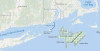
Massachusetts and Rhode Island have some of the highest electricity prices in the continental United States

Shortage of Oil and Natural Gas Pipelines
June 9, 2018
Pipeline capacity is being constrained due to environmental protests to limit oil and natural gas production or due to right-of-way issues. Without sufficient pipeline capacity, consumers could face energy shortages and skyrocketing prices

When regulators travel far enough down this path, the market loses its ability to coordinate information and a crisis ensues

Trump’s Paris Decision: Better and Better
June 2, 2018
May the Paris Agreement continue to unravel and go the way of the ill-fated Kyoto Protocol of 1997. And may energy consumers and taxpayers win to help make the world, not only the U.S., great

Alarming projections of U.S. deaths from climate change have clearly been exaggerated

Ability to move natural gas from supply areas like the Marcellus Shale basin in Pennsylvania to demand areas results in more natural gas production, more U.S. energy, more investment, which helps the economy, reduces the potential for price spikes

Michigan Changes Net Metering Rules for Solar Power
May 17, 2018
Net metering is a boondoggle for residential homeowners who can afford to put solar panel systems on their homes

Climate Litigation: Grasping at Tort Straws
May 10, 2018
Global cooling, Global warming, Global lukewarming, The CO2 fertilization effect, The risks of climate change policy

If the ethanol industry wants to expand their Clean Air Act waiver, they need to get it from Congress

Coal Kept the Lights On During the Winter Months
May 7, 2018
Without coal this winter, the electric grid could have been under a "system collapse", according to the laboratory's analysis

The disconnect between the alarmist rhetoric on climate change, and the actual peer-reviewed research, is astonishing


Massachusetts’ anti-fossil-fuel policies are the primary reason why the state has relied on LNG imports from a Russian company that the State Department sanctioned during the Obama Administration

Offshore Wind States Beware
April 13, 2018
States considering offshore wind energy (e.g. Massachusetts, Maryland, New York) need to be aware of the ramifications of constructing and operating wind turbines off their coasts.

South Australia Tries Wind First, Now Solar
April 13, 2018
South Australia is suffering from high electricity prices and potential blackouts because of its unsustainable mix of intermittent renewable energy,