

By American Chemical Society ——Bio and Archives--January 14, 2019
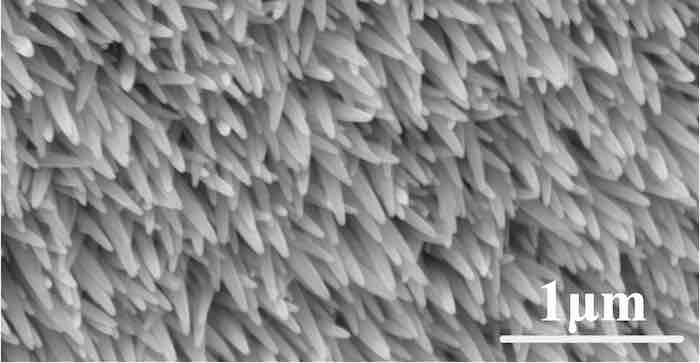 Single lens eyes, like those in humans and many other animals, can create sharp images, but the compound eyes of insects and crustaceans have an edge when it comes to peripheral vision, light sensitivity and motion detection. That's why scientists are developing artificial compound eyes to give sight to autonomous vehicles and robots, among other applications. Now, a report in ACS Nano describes the preparation of bioinspired artificial compound eyes using a simple low-cost approach.

View Comments
American Chemical Society, ACS is a congressionally chartered independent membership organization which represents professionals at all degree levels and in all fields of chemistry and sciences that involve chemistry.