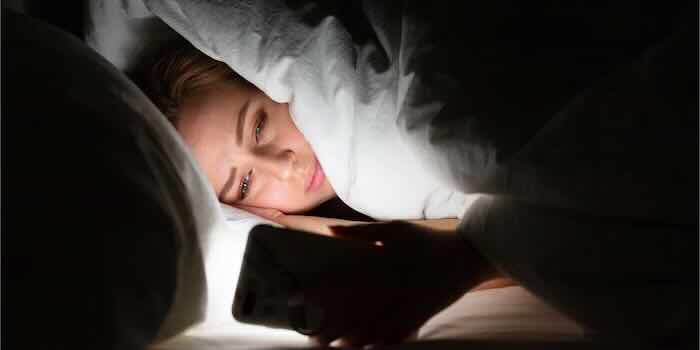
Blue light emitted by smartphones, computer monitors, and TVs may disrupt natural sleep cycles, long after we turn these devices off. Another term for your sleep cycle is circadian rhythm. It’s an internal clock that calibrates light and hormones to ensure you sleep and recover when you should.
It turns out that blue light, especially when it enters the eyes after dark, is Kryptonite for sleep. With the power to trigger insomnia, daytime fatigue, and even long-term health issues, it’s worth learning how to manage your screen time for good rest and your best life.
Screen Time Science and Your Sleep
What is your circadian rhythm? It’s an internal clock that regulates how you wake up and fall asleep each day. This process is influenced by natural daylight stimulating wakefulness and darkness triggering a hormone called melatonin. This rhythm isn’t instant cause-and-effect but an ongoing system of checks and balances that depend on your body taking in light at the right times.
Enter blue light screens held close to your face each day and well into the night. Blue wavelengths are like daylight; they signal to the brain, through the eyes, that the time of day is well before sunset.
According to research from Harvard Medical School, blue light exposure seems to suppress melatonin production more dramatically than other colours on the spectrum. That’s why many people don’t feel sleepy by the time their head hits the pillow.
Research also finds blue light exposure may hold back melatonin production for three hours and prevent REM (rapid eye movement) sleep. REM is critical for emotional processing and memory consolidation. It’s no wonder that poor sleep quality without REM can leave us feeling foggy, forgetful, and even miserable.