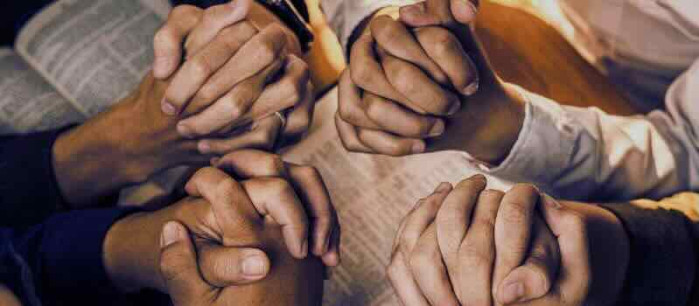
In 1986, Vonette Bright, co-founder of Campus Crusade for Christ, and the National Prayer Committee, contacted Senator Strom Thurmond for guidance on writing a bill that would designate a day for the National Day of Prayer. Senator Thurmond wrote the bill that became S.1378. Thirteen Senators and 90 members of Congress signed it, and on May 5, 1988, President Ronald Reagan signed Public Law 100-307 designating the first Thursday in May as the annual observance for the National Day of Prayer on which the people of the United States may turn to God in prayer and meditation at churches, in groups, and as individuals.
As a result of many of the Founders’ faith, public prayer has a long-standing and significant history in American tradition. In 1775, the Continental Congress asked the colonies to pray for wisdom in establishing a fair government. Later they battled an almost insurmountable division. The large states wanted the legislature to represent the population and the smaller states wanted equal representation. This conflict almost prevented the nation’s very existence but brought the Founders to their knees again. The eventual compromise resulted in creating both the Senate and House.
In a letter to Samuel Miller in 1808, Thomas Jefferson wrote, “Fasting and prayer are religious exercises; the enjoining them an act of discipline. Every religious society has a right to determine for itself the time for these exercises, and the objects proper for them, according to their own particular tenets; and this right can never be safer than in their hands, where the Constitution has deposited it.”