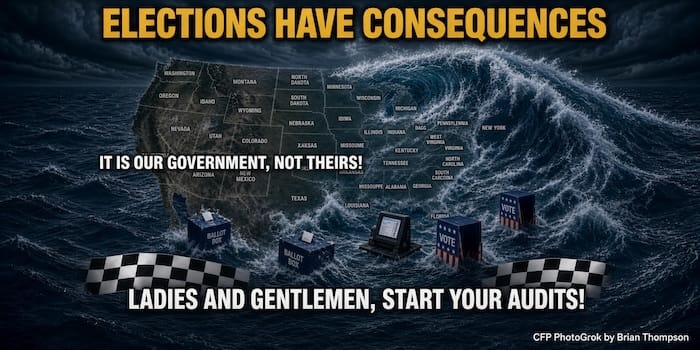
Once certified, elections are hard to challenge
Certification only means that all the required process steps have been completed. An election was held, ballots were received, choices totaled, minimal checks such as the so-called "risk limiting audits" which don't limit much risk completed, final totals prepared, and genuine results submitted. No real audits, No real checks for fraud. No time for meaningful inspections. Once certified, the results become legally binding. Small wonder that officials are in a rush to certify.
Once certified, elections are hard to challenge. Courts typically only allow a few days to challenge, generally not sufficient time for a good audit, only enough time, perhaps, for a meaningless recount. But, elections can be decertified or invalidated. It isn't common, but it has been done before, so it isn't a novel idea.
For an election that is so ripe for conflict as the midterms, it makes good sense to hold off certification until a real forensic audit of results is conducted. Congress can legally postpone the January 3 date for seating a new congress until an audit is complete, and can even do incremental seating as audit results come in from the states. Our lame duck congress could finally make itself useful.
Even if there is no national mandate for an audit, that shouldn't stop states and even local groups or individuals from doing their own auditing. If significant fraud is found in any election at state level, certification can be challenged, and potentially decertified.
Most previous challenges have focused on criminal laws around fraud. These are difficult because it is usually so difficult to identify the perpetrators of mass fraud. Usually only a few individuals are found and prosecuted and the effects on larger totals dismissed as inconsequential.